Quick Answer: Most new bettas that seem “off” are simply stressed from transport and acclimation — hiding, reduced appetite, and slightly faded colour in the first one to two weeks are all normal. Genuine illness shows up as clamped fins, white spots, visible lesions, or laboured breathing that persists beyond the adjustment period. Check your water parameters first; poor water quality causes the majority of betta health problems.
Bringing home a new betta is exciting, but it can quickly turn anxious when your fish hides behind a plant and refuses to eat. If you’re asking “does my new betta seem normal or sick?” — you’re already doing the right thing. The good news is that most new bettas are perfectly healthy and just need time to settle in. The key is knowing what normal looks like so you can spot genuine warning signs when they appear.
Does My New Betta Seem Normal or Sick? A 60-Second Checklist
Run through this list whenever you’re unsure what you’re looking at.
Signs of a healthy betta:
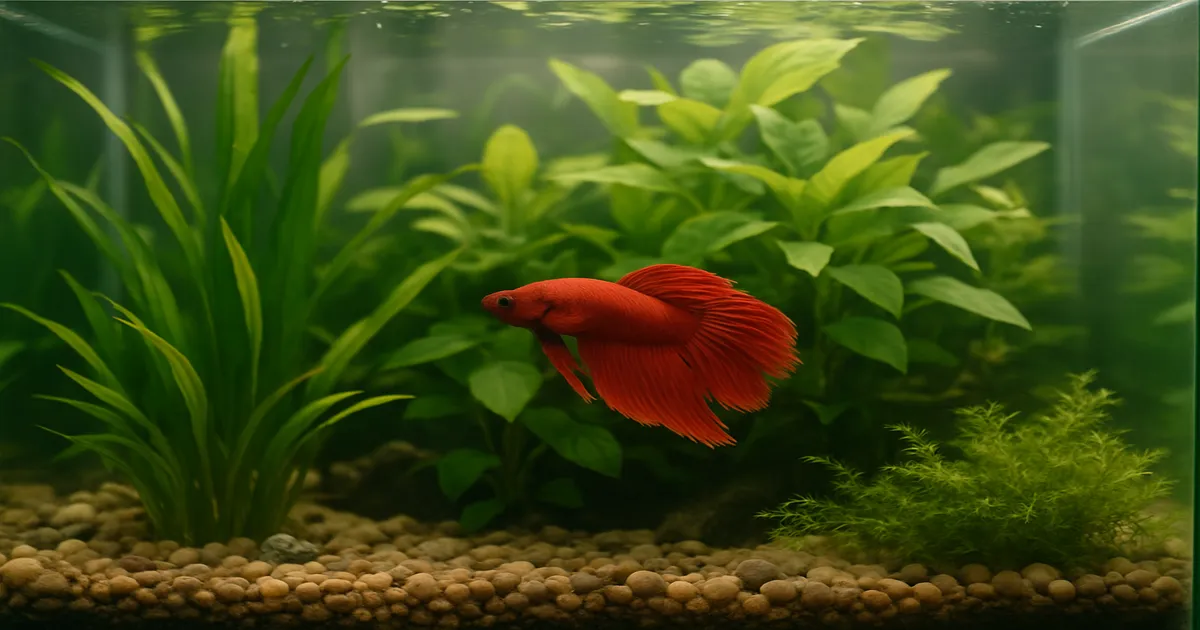
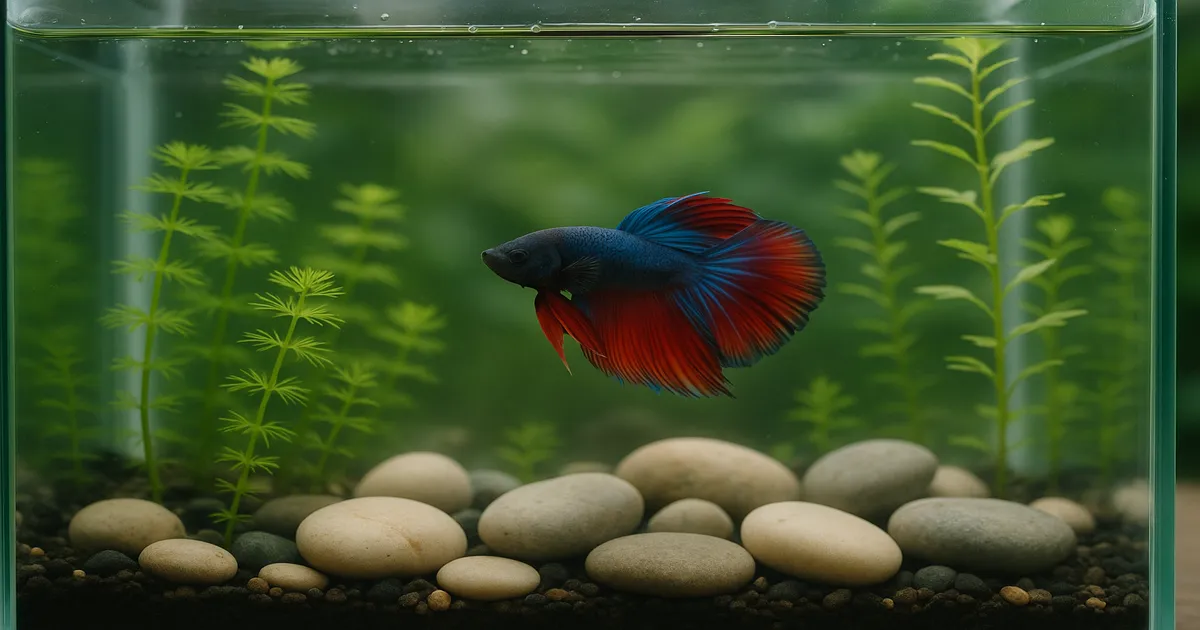
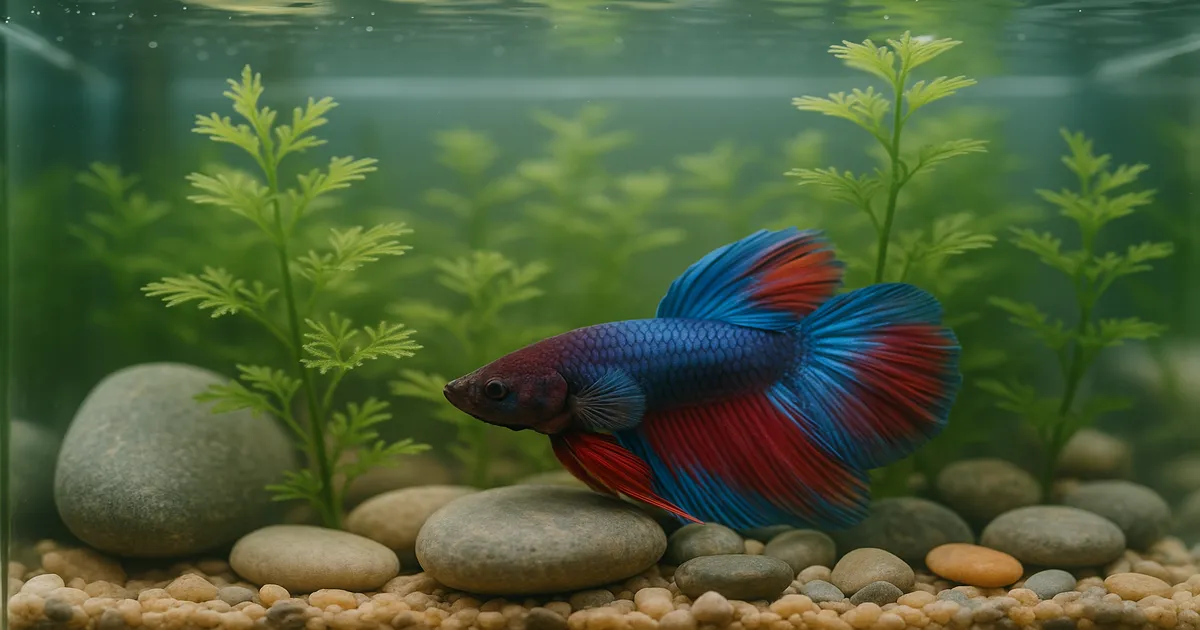
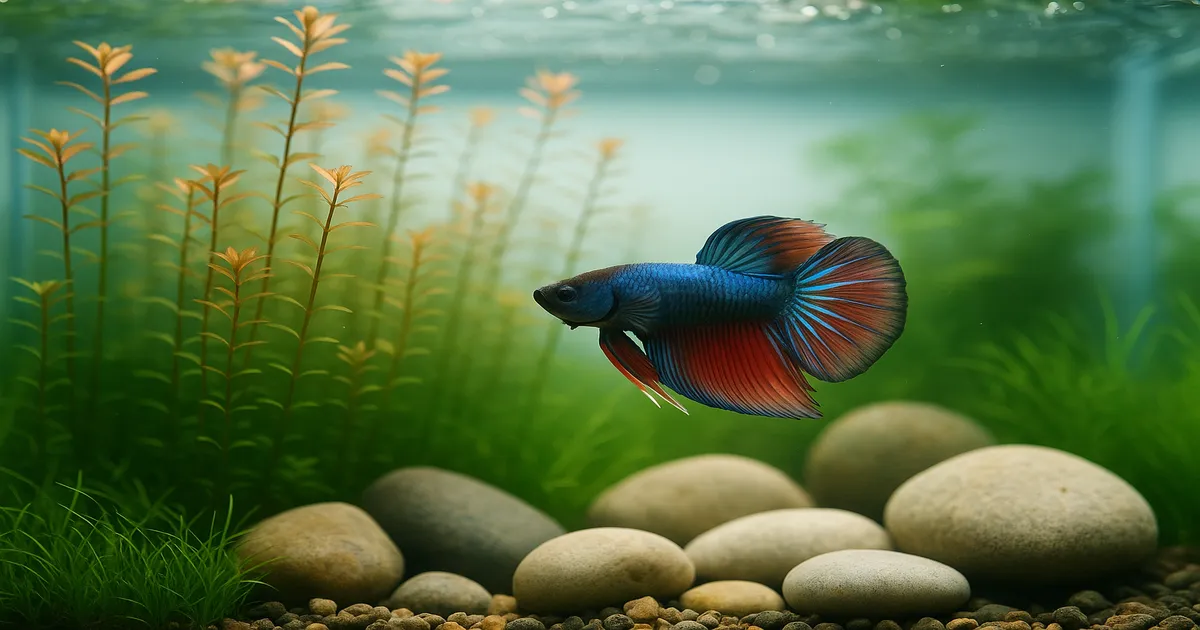
- Fins held erect and fanned out (not pressed against the body)
- Swimming purposefully — exploring, hovering, patrolling
- Vibrant, consistent colour
- Responds to your hand or movement near the glass
- Eats eagerly within seconds of food hitting the water
- Smooth, unblemished body with no visible spots, patches, or growths
Genuine red flags:
- Clamped fins pressed flat against the body
- White spots scattered across fins or body (like grains of salt)
- Rust-coloured or dusty shimmer on the skin
- Visible lesions, ulcers, or cottony white patches
- Rapid breathing or constant gasping at the surface
- Bloated belly with scales protruding like a pinecone
Why New Bettas Often Look Worrying (And Usually Aren’t)
Bettas sold in pet stores have been through a lot — bagged, shipped, held in small cups under fluorescent lights, often in poor water quality. That experience is genuinely stressful, and stress looks a lot like sickness. Reduced activity, hiding, and skipping meals for the first week or two is your betta recovering, not dying. Give it time and clean water before reaching for medication.
What a Healthy Betta Looks and Acts Like
Normal Swimming and Activity
A healthy betta swims with purpose. It explores different areas of the tank, investigates new objects, and patrols a loose territory. You’ll notice it reacting to your presence — swimming toward the glass, flaring at its reflection, or following your finger. Activity varies throughout the day; bettas rest regularly, just like any animal.
Fins, Colour, and Body Condition
Healthy fins are spread and intact, with clean, unbroken edges. The body should be smooth with no raised scales, lumps, or discoloration. Colour is consistent — vivid in males, often subtler in females — and naturally deepens when a betta is warm, comfortable, and well-fed. A dull fish from a store cup will often colour up dramatically within a few weeks of good care.
Normal Breathing and Surface Visits
Bettas have a labyrinth organ that lets them breathe atmospheric air directly. Seeing your betta swim to the surface for a quick gulp is completely normal — it is not a sign of oxygen deprivation. What is a problem is constant, frantic gasping at the surface, which can indicate gill damage, ammonia poisoning, or dangerously low dissolved oxygen.
Resting: When Stillness Is Not a Symptom
Bettas rest — a lot. You’ll find them parked on a broad leaf, wedged into a corner near the surface, or lying on the substrate for short periods. This is perfectly normal, especially at night. The key difference: a resting betta responds quickly when disturbed; a sick betta barely reacts at all.
What Healthy Betta Waste Looks Like
Healthy faeces are dark brown to reddish-brown and relatively firm. Long, pale, or stringy white waste is a common sign of internal parasites or constipation. If you see this alongside a swollen belly or loss of appetite, it warrants closer attention.
Common Reasons a New Betta Seems Off (But Isn’t Sick)
Acclimation Stress: The First 1–2 Weeks
The most common source of new-owner panic is entirely normal acclimation behaviour. For the first one to two weeks, expect your betta to hide more, eat inconsistently, and look paler than you’d expect. The fish is adjusting to new water chemistry, lighting, and surroundings. Stable, warm, clean water is the best medicine — resist the urge to intervene.
Refusing Food: How Long Is Too Long
Most bettas ignore food for two to five days after arrival; some hold out for a full week. This is normal. If your betta still refuses food after two weeks, start investigating water parameters and look more carefully for disease symptoms. Avoid freeze-dried foods during this period — they expand in the stomach and cause constipation. Offer a high-quality pellet or a small amount of frozen daphnia instead.
Colour Fading vs the Marble Gene
Temporary colour fading from stress is common and reverses as the fish settles in. A separate phenomenon is the marble gene — some bettas carry a gene that causes permanent, ongoing colour and pattern shifts throughout their lives. If your betta’s pattern changes dramatically over weeks or months rather than days, that’s likely the marble gene at work, not illness.
Water Parameters: The Root Cause of Most Betta Illness
Ideal Ranges at a Glance
| Parameter | Acceptable Range | Ideal Range |
|---|---|---|
| Temperature | 72–86°F (22–30°C) | 76–82°F (24–28°C) |
| pH | 6.0–8.0 | 6.5–7.5 |
| GH | 3–20 dGH | 5–15 dGH |
| Ammonia | 0 ppm | 0 ppm |
| Nitrite | 0 ppm | 0 ppm |
| Nitrate | <40 ppm | <20 ppm preferred |
pH stability matters more than hitting a perfect number. A steady 7.2 causes far less stress than one that swings between 6.8 and 7.5 daily. Temperature below 72°F (22°C) suppresses immune function and slows metabolism — a cold betta is a vulnerable betta.
Ammonia and Nitrite: The Silent Killers
Ammonia and nitrite must always read 0 ppm. Even trace amounts damage gill tissue, suppress immunity, and cause the lethargic, off-colour behaviour that owners mistake for personality or normal acclimation. If your betta seems unwell and you haven’t tested the water, do that before anything else. A liquid test kit gives far more accurate readings than strips — the API Freshwater Master Test Kit covers pH, ammonia, nitrite, and nitrate and is the standard recommendation among experienced keepers.
New Tank Syndrome
New tank syndrome occurs when a tank hasn’t completed the nitrogen cycle — meaning there aren’t enough beneficial bacteria to process fish waste. Ammonia spikes rapidly after you add a fish, often reaching toxic levels within days. The cycle works like this: fish waste produces ammonia → Nitrosomonas bacteria convert ammonia to nitrite → Nitrospira bacteria convert nitrite to nitrate → water changes remove nitrate. The whole process takes four to six weeks in a new tank.
If your tank isn’t cycled, do daily 25–30% water changes and use a dechlorinator that temporarily detoxifies ammonia and nitrite between changes, such as Seachem Prime . Always dechlorinate tap water before adding it to the tank — chlorine and chloramine are lethal to beneficial bacteria and harmful to fish.
Tank Setup: How Environment Affects Betta Health
Five gallons is the minimum tank size — not a suggestion, a health requirement. Smaller volumes accumulate ammonia faster, lose heat more quickly, and offer no buffer for stable water chemistry. A 10-gallon tank is genuinely better.
Bettas come from still and slow-moving water, so strong filter currents stress them and damage long fins. Sponge filters are ideal — gentle flow, excellent biological filtration, and completely betta-safe. If you use a hang-on-back filter, baffle the output with a piece of sponge to diffuse the current.
An adjustable submersible heater is non-negotiable in most homes. Heater thermostats can drift, so always verify the actual temperature with a separate thermometer. Sudden drops of even a few degrees overnight can trigger ich outbreaks.
Bettas jump. A gap of even an inch is enough for a determined fish to launch itself onto the floor — a lid or mesh cover is mandatory. Sharp or rough decorations tear fins and create entry points for bacteria. Run a piece of pantyhose over any decoration; if it snags, it will damage fins. Live plants like java fern and anubias are the safest option and actively improve water quality.
Recognising and Treating the Most Common Betta Diseases
Always fix water quality before reaching for medication. Most early-stage diseases resolve with clean water alone, and medicating a fish in poor conditions is largely ineffective.
Fin Rot
Fin rot looks like fraying, ragged, or receding fin edges — sometimes with a black, brown, or white border. It’s caused by bacterial infection, almost always triggered by poor water quality or sharp decorations. For mild cases, clean water alone often resolves it within two weeks. Moderate to severe cases benefit from treatment with Seachem KanaPlex or API Fin & Body Cure . If you see fluffy white edges, add an antifungal alongside the antibacterial treatment.
Ich (White Spot Disease)
Ich looks exactly like grains of salt scattered across fins and body. Affected fish will “flash” — scratch against plants or gravel — and show clamped fins and lethargy. It spreads fast. Raise temperature gradually (no more than 2°F per hour) to 82–86°F to accelerate the parasite’s life cycle, then treat with Ich-X . Continue treatment for at least two days after all visible spots disappear; medication only kills the free-swimming stage.
Velvet
Velvet (Oodinium) is easy to miss because the gold or rust-coloured dust is subtle. Shine a flashlight at a low angle across your betta’s body in a darkened room — velvet reveals itself as a shimmering, dusty coating. Treat with a copper-based medication such as Seachem Cupramine . Remove activated carbon from the filter before treating, as it will neutralise the medication.
Swim Bladder Disorder
A betta that floats at the surface, sinks to the bottom, or swims at a tilted angle has impaired buoyancy — most commonly caused by overfeeding or constipation. Fast your betta for two to three days, then offer frozen daphnia, which acts as a natural laxative. If the problem persists after a week, test water parameters and consider whether infection may be involved.
Dropsy
Dropsy is identified by a swollen abdomen combined with scales that protrude outward, giving a pinecone appearance when viewed from above. It signals severe internal bacterial infection and organ failure, and is often fatal by the time it’s visible. Epsom salt baths (1 tablespoon per gallon, 15-minute sessions) can help draw out fluid. KanaPlex added to food gives the best chance of reaching the infection internally. Isolate the fish immediately. A betta with a slightly rounded belly after eating is not in dropsy — look for the raised scales to be sure.
Feeding for Immune Health
Wild bettas are insectivores — mosquito larvae, small worms, zooplankton. Their digestive systems aren’t built for plant matter or carbohydrate-heavy diets, so a high-protein diet directly supports immune function. Look for pellets with whole fish or fish meal as the first ingredient and protein content above 40%. Reliable options include Hikari Betta Bio-Gold and New Life Spectrum Betta Formula. Generic flake food pollutes water quickly and offers poor nutrition — skip it.
Frozen daphnia is the most useful supplemental food you can offer: nutritious, easy to digest, and a natural laxative. Frozen bloodworms are highly palatable but fatty, so treat them as an occasional reward. Frozen brine shrimp and mysis shrimp round out a varied diet two to three times per week. If you use freeze-dried foods, always rehydrate them in a small cup of tank water first — dry freeze-dried food expands in the stomach and causes constipation.
FAQ: Does My New Betta Seem Normal or Sick?
Q: My new betta is hiding all day. Is that normal? A: Yes, for the first one to two weeks. Hiding is an instinctive stress response. As your betta grows comfortable with its surroundings, it will spend more time in the open. Provide plenty of cover — paradoxically, having somewhere to hide makes bettas feel safe enough to come out.
Q: My betta hasn’t eaten in five days. Should I be worried? A: Not yet. Most bettas refuse food for two to five days after arrival, and some hold out for a full week. If refusal continues past two weeks, test your water parameters and check for visible disease symptoms.
Q: My betta’s colour looks faded compared to the store. Is it sick? A: Probably not. Colour fading is a normal stress response and typically reverses within a few weeks of stable, warm, clean water. If the fading is accompanied by clamped fins, lethargy, or visible spots, then investigate further.
Q: How do I know if my tank water is making my betta sick? A: Test it. Ammonia and nitrite above 0 ppm are the most common culprits in new tanks. Use a liquid test kit like the API Freshwater Master Test Kit for accurate results — test strips are unreliable for ammonia in particular.
Q: My betta is swimming sideways or floating at the top. What’s wrong? A: This points to swim bladder disorder, most often caused by constipation or overfeeding. Fast your betta for two to three days, then offer frozen daphnia. If the problem doesn’t improve within a week, check water parameters and consider whether an infection may be involved.