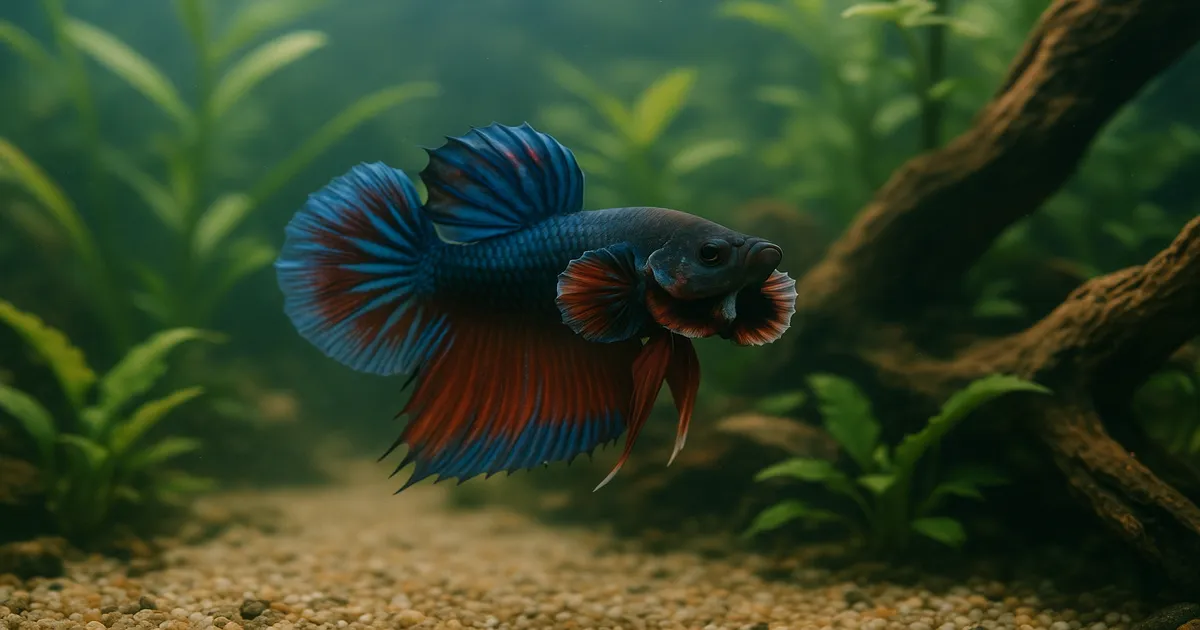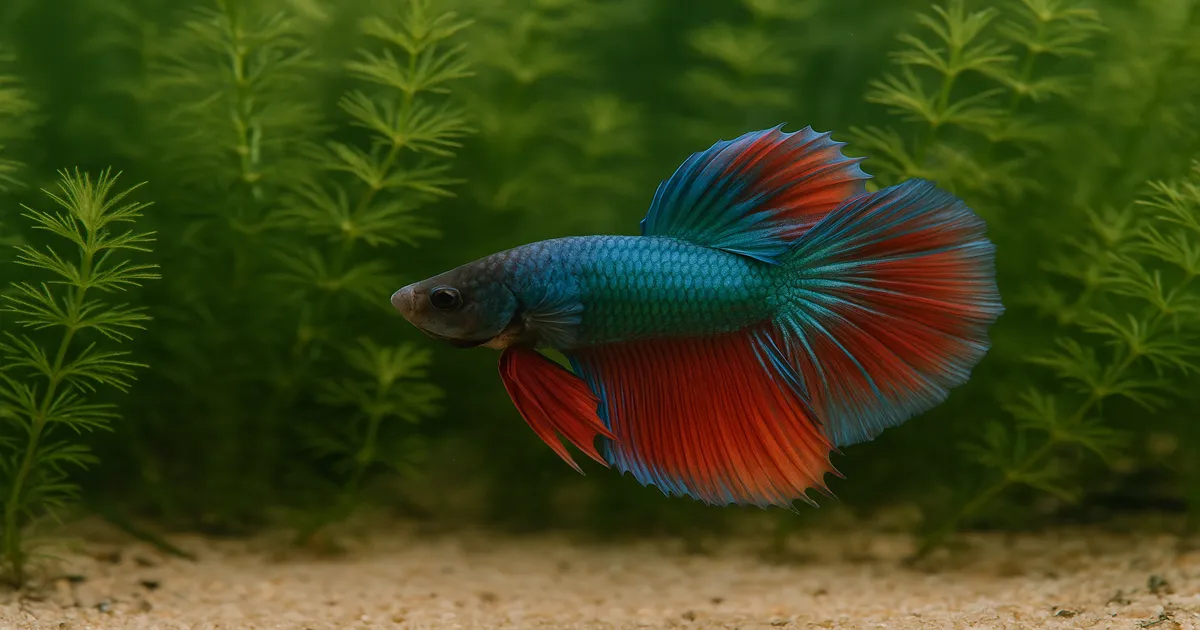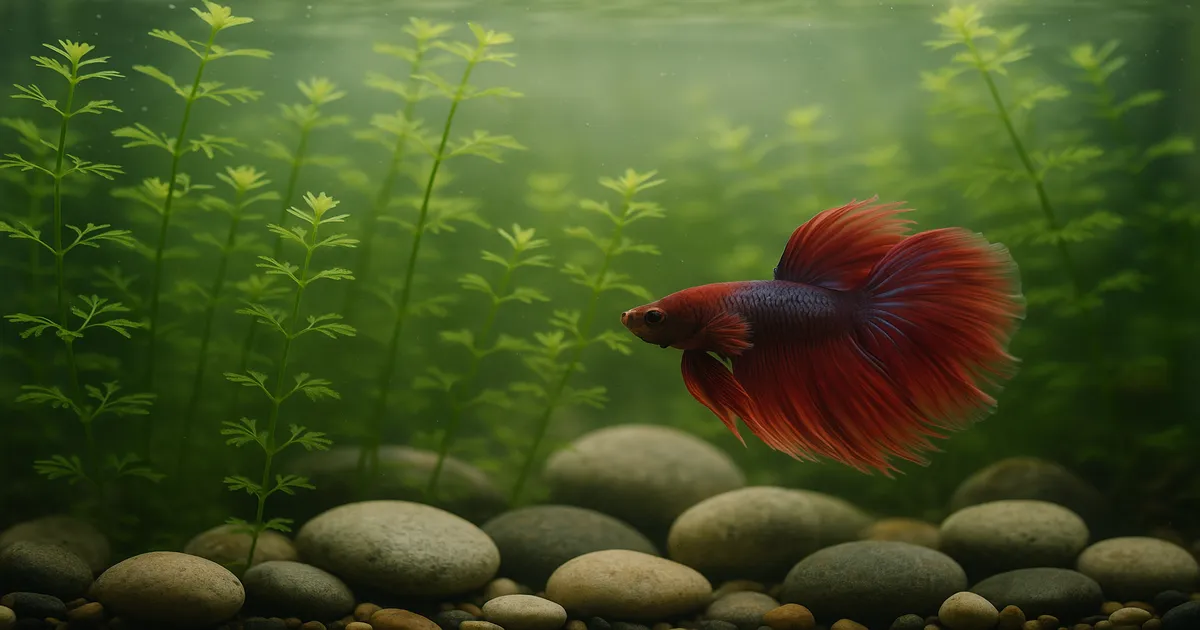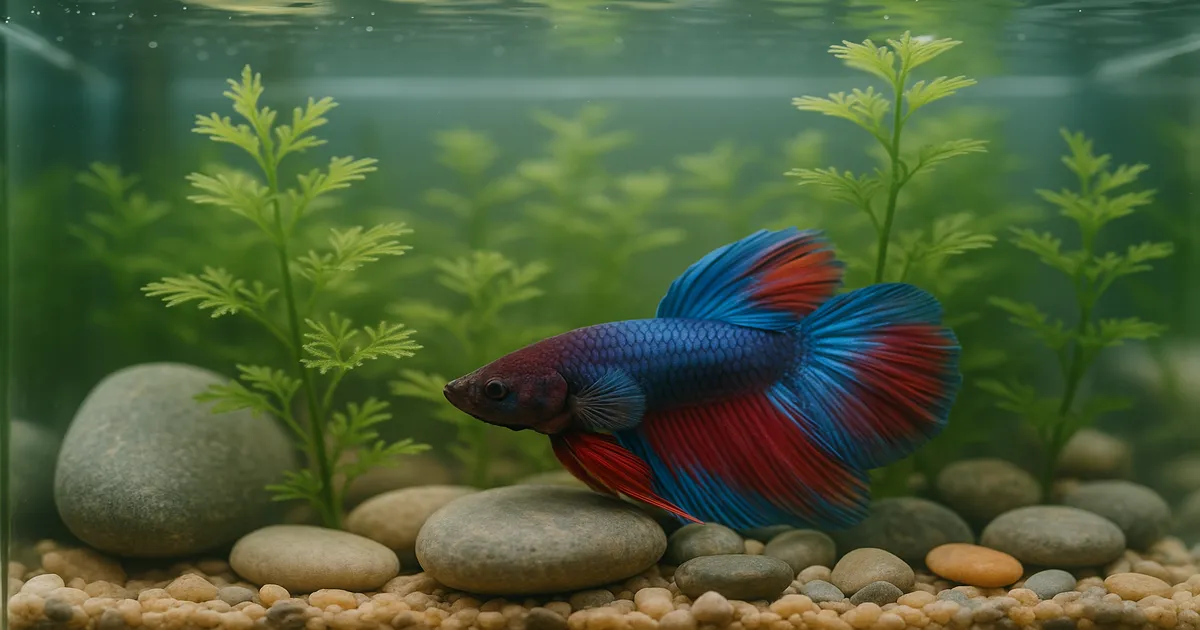
Quick Answer: Most new bettas act strange because they’re stressed from transport and adjusting to an unfamiliar environment — this is completely normal and usually resolves within 24–72 hours. If you’re wondering “why is my new betta doing this?”, the short answer is: hiding, refusing food, and resting at the bottom are all expected during acclimation. That said, white spots, gasping at the surface, or severely clamped fins can signal a real problem that needs prompt attention.
If you’ve just brought home a new betta, take a breath. The overwhelming majority of odd behaviors in a newly acquired betta come down to one thing: stress. Between the pet store bag, the car ride, and a completely unfamiliar tank, your fish has been through a lot. Give it time, keep the water right, and most alarming behaviors will simply disappear.
That said, it pays to know the difference between normal acclimation and a genuine health emergency. This guide walks through both.
Why Is My New Betta Doing This? Understanding Betta Biology First
The Labyrinth Organ: Why Bettas Gulp Air at the Surface
Bettas have a unique respiratory structure called the labyrinth organ — a secondary breathing apparatus that lets them extract oxygen directly from the air. This is why you’ll regularly see your betta swim to the surface and take a quick gulp. It’s not distress. It’s just how bettas are built.
This adaptation evolved because bettas come from oxygen-poor environments — rice paddies, floodplains, roadside ditches, and densely vegetated ponds across Southeast Asia. The water is warm, often murky, and full of plant cover. Each wild betta holds a territory of roughly one square meter.
This matters for your tank setup. A betta kept in a bare tank with a powerful filter and bright lights is basically the opposite of its natural environment. No wonder it hides.
How Wild Betta Behavior Shapes Captive Quirks
Male bettas are hardwired to be territorial. That instinct doesn’t switch off in captivity — it just redirects toward tank reflections, decorations, and other fish. Females are generally calmer but still show stress bars (horizontal dark stripes) when anxious or threatened.
Males are easy to identify by their long, elaborate fins and vivid coloration. Females have shorter fins, less intense color, and a small white dot near the ventral fin called an ovipositor.
Common New Betta Behaviors and What They Mean
Hiding or Staying at the Bottom
This is the single most common new-betta behavior, and it almost always means one thing: your fish is stressed and needs time to settle in. Hiding behind plants or resting motionless on the substrate is a coping response, not a sign of illness.
Give it 48–72 hours. If your betta is still completely motionless and unresponsive after that window, test your water immediately — ammonia or nitrite can cause exactly this kind of lethargy and is a genuine emergency.
Refusing to Eat
Don’t panic if your new betta ignores food for the first day or two. A stressed fish won’t eat, and trying to force the issue by overfeeding just fouls the water and makes things worse. Wait 24–48 hours before offering food, then start with something enticing like a small piece of thawed frozen bloodworm. Refusal beyond 5–7 days is worth investigating further.
Flaring at the Glass or Decorations
Your betta sees its own reflection and thinks it’s a rival. This is instinct, not confusion, and it’s completely normal — especially in a new tank where the fish is still mapping its territory. Some bettas flare constantly; others barely do it at all. Personality varies enormously.
Chronic flaring does cause stress and can lead to fin damage over time. If it’s persistent, try rearranging decorations or adding more plants to break up sightlines.
Floating Near the Surface or Lying on Leaves
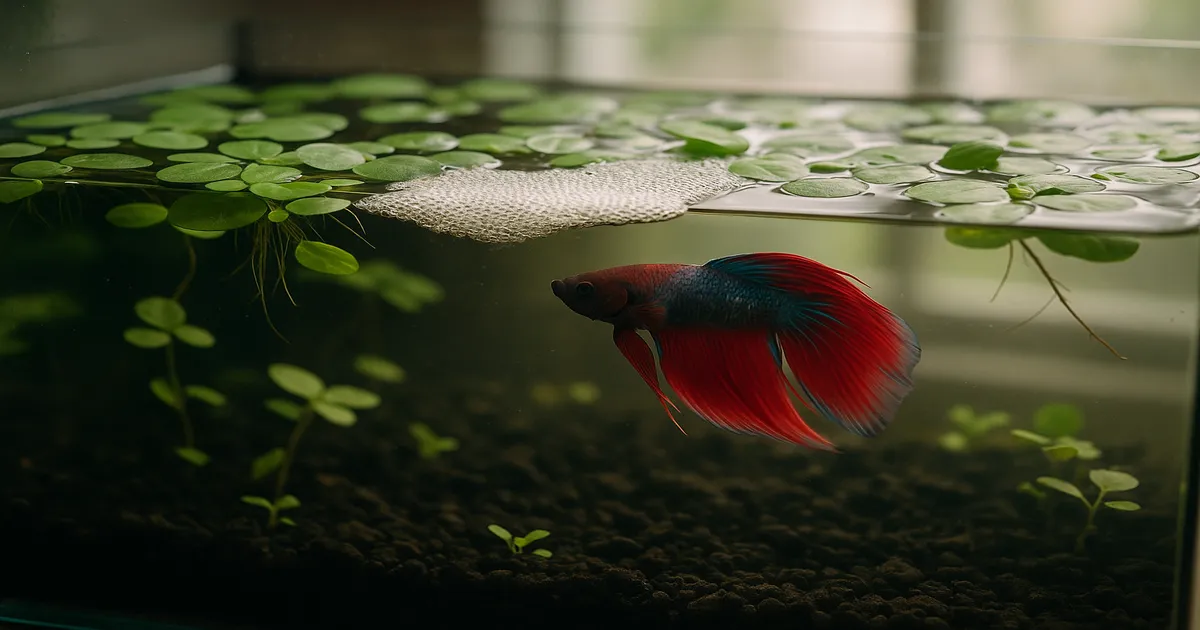
Resting on broad plant leaves near the surface is completely normal betta behavior. In the wild, they do exactly this — it conserves energy and keeps them close to the surface for air. Floating plants like frogbit or broad-leafed plants like Anubias are particularly popular resting spots.
If your betta is floating sideways or struggling to stay upright, that’s a different matter — see the swim bladder section below.
Darting, Jumping, or Erratic Swimming
Sudden bursts of erratic movement usually point to temperature shock or poor water quality. A swing of even 4–5°F (2–3°C) can trigger panicked behavior. Check your heater and thermometer immediately. Jumping is also common in stressed bettas right after introduction — this is why a secure lid is non-negotiable.
Clamped Fins
Clamped fins — where the betta holds its fins tight against its body rather than spreading them — are an early stress or illness signal. Check temperature, ammonia, and nitrite levels before reaching for any medication. Improving water conditions alone often resolves clamped fins within a day or two.
Building a Bubble Nest
Finding a cluster of tiny bubbles at the water’s surface is genuinely good news. Male bettas build bubble nests when they feel comfortable and secure. It means your betta has settled in and is feeling at home. No action needed.
Water Parameters: The Hidden Cause of Most Betta Problems
Ideal Temperature Range
Temperature is the single most critical parameter for bettas. Keep it between 78–82°F (25.5–27.8°C). Below 74°F (23°C), bettas become lethargic and immune-suppressed. Below 65°F (18°C) can be fatal within days. Sudden swings are just as dangerous as sustained cold — a 4–5°F (2–3°C) shift can trigger ich outbreaks and severe stress, which is exactly why so many newly arrived bettas get sick.
pH, GH, and KH
Aim for slightly acidic to neutral water — pH 6.5–7.5 — with soft to moderately hard water (GH 5–15 dGH) and a light carbonate buffer (KH 3–8 dKH). The exact numbers matter less than stability. A consistent pH of 7.2 is far safer than one that swings between 6.8 and 7.6 daily. KH below 2 dKH creates a risk of pH crashes, especially in tanks with driftwood.
Ammonia, Nitrite, and Nitrate
Many new betta owners skip cycling their tank, and it’s the source of a huge number of “my betta is sick” situations. Fish waste produces ammonia; beneficial bacteria convert ammonia to nitrite; a second bacterial colony converts nitrite to nitrate. Until that colony is established, ammonia and nitrite spike to toxic levels.
The targets are non-negotiable: 0 ppm ammonia, 0 ppm nitrite, and under 20 ppm nitrate (ideally under 10 ppm). Test weekly with a reliable liquid test kit.
Chlorine and Chloramine
Tap water contains chlorine or chloramine — both are acutely toxic to fish and will destroy beneficial bacteria in your filter. Always treat tap water with a dechlorinator before adding it to the tank. (Seachem Prime) It neutralizes chlorine and chloramine, and temporarily detoxifies ammonia and nitrite in emergencies.
Tank Setup: Is Your Betta’s Home Causing the Problem?
Minimum Tank Size
The absolute minimum is 5 gallons (19 liters) — and 10 gallons is better. Smaller vessels can’t maintain stable temperature or water chemistry, and ammonia from a single betta can spike to dangerous levels within hours. Those tiny bowls sold alongside bettas in pet stores are the leading cause of chronic betta stress and early death.
Filtration and Flow Rate
Filtration is essential, but flow rate matters just as much. Bettas evolved in still water; a powerful filter current will exhaust and stress them. Sponge filters are the ideal choice — gentle, effective biological filtration with zero strong current. If you’re using a hang-on-back filter, baffle the output with a pre-filter sponge or spray bar to diffuse the flow.
Signs of too much current: your betta hiding constantly, being visibly pushed around the tank, or showing clamped fins.
Heating
A heater isn’t optional — it’s essential. Room temperature in most homes fluctuates too much for a tropical fish, and even a few degrees of daily swing causes cumulative stress. Use an adjustable submersible heater paired with a separate thermometer (don’t rely on the heater’s built-in gauge alone).
Decorations, Plants, and Hiding Spots
Live plants are the best thing you can add to a betta tank. Java fern, Anubias, and floating plants like frogbit provide cover, improve water quality, and give your betta natural resting spots. Indian almond leaves are also excellent — they release tannins with mild antimicrobial properties and create a more natural environment.
If you use artificial plants, choose silk only. Plastic plants with sharp edges are a leading cause of fin tears, especially in long-finned varieties like halfmoons and veiltails. A simple test: if a plastic plant snags a nylon stocking, it’ll shred your betta’s fins too.
The Importance of a Tank Lid
Bettas jump — regularly, especially when stressed during acclimation. A secure lid is essential. Leave a 2–3 inch (5–7.5 cm) air gap between the water surface and the lid so your betta can access atmospheric air for its labyrinth organ.
Feeding Your New Betta
Why New Bettas Often Refuse Food
Don’t offer food for the first 24–48 hours after bringing your betta home. A stressed fish won’t eat, and uneaten food will spike ammonia in an already fragile situation. After that window, try a small amount of high-quality food once a day. Refusal for up to 5 days post-arrival isn’t unusual. Beyond a week, combined with other symptoms, warrants a closer look at water quality and health.
One myth worth busting: bettas cannot survive on plant roots. The “betta vase with a peace lily” setup is harmful — bettas are carnivores and will slowly starve in that arrangement.
What Bettas Should Actually Eat
Bettas are insectivores and need a high-protein diet — look for foods with 40–55% crude protein from animal sources.
- Pellets (daily staple): A quality betta-specific pellet
- Frozen foods (excellent supplement): Bloodworms, brine shrimp, daphnia, mysis shrimp — thaw before feeding
- Live foods (best enrichment): Daphnia, live brine shrimp, blackworms — stimulates natural hunting behavior
- Freeze-dried foods: Use sparingly — lower nutritional value and can cause bloat if overfed
How Much and How Often
A betta’s stomach is roughly the size of its eye. Two to four appropriately sized pellets per feeding, once or twice daily, is plenty. Fast your betta one day per week — this prevents constipation, reduces waste, and mimics natural feeding patterns.
Overfeeding signs: Bloated abdomen, floating at the surface, constipation, poor water quality. Underfeeding signs: Sunken belly or pinched appearance behind the head, lethargy, loss of color.
Common Betta Diseases That Mimic Stress Behavior
The most important thing to understand about betta disease: most of it starts with environmental problems. Fix the water before reaching for medication.
Ich (White Spot Disease)
Ich looks like someone sprinkled salt grains on your betta’s body and fins. You may also notice your fish flashing — rubbing against plants or decorations to scratch. It’s caused by a temperature-sensitive protozoan parasite and is almost always triggered by temperature fluctuations or the stress of a new fish introduction.
Treatment: Raise temperature gradually to 86°F (30°C) to speed up the parasite’s life cycle, and treat with a proven medication. (Ich-X) Treat for a minimum of two weeks even after spots disappear.
Velvet: The Disease You Almost Can’t See
Velvet is sneaky — the gold or rust-colored dust it produces is often invisible in normal light. Shine a flashlight at a low angle across your betta’s body in a darkened room. If you see a velvety shimmer, you’re dealing with Oodinium. Other signs include scratching, rapid gill movement, and lethargy.
Treatment involves darkening the tank (the parasite is photosynthetic), raising temperature, and using a copper-based treatment. Move quickly — velvet progresses fast.
Fin Rot
Fin rot starts as ragged or fraying edges on the fins, then progresses to darkened or blackened margins, and in severe cases eats back to the body. It’s almost always caused by poor water quality — high ammonia or nitrite creates the conditions where bacteria and fungi take hold.
Step one is always a water change and parameter correction. Mild cases often heal on their own once water quality improves. Persistent or severe cases may need an antibiotic treatment such as Seachem KanaPlex.
Swim Bladder Disorder
A betta that floats at the surface, sinks to the bottom, or swims at a tilted angle may have swim bladder disorder. It’s not a disease itself — it’s a symptom, usually caused by overfeeding, constipation, or a bacterial infection. Fast the fish for 2–3 days, then try feeding a small piece of thawed, deshelled frozen pea (it acts as a mild laxative). If the issue persists, investigate water quality and consider a bacterial treatment.
When to Treat vs. When to Improve Water Quality First
If your betta is showing disease symptoms, run a water test before buying medication. Clamped fins, lethargy, and even early fin rot often resolve completely with clean water alone. Medications stress the fish and disrupt beneficial bacteria — use them when genuinely needed, not as a first response. A dedicated quarantine tank is invaluable here; it lets you treat without disrupting your main tank’s cycle.
Tank Mates: Could Companions Be Stressing Your Betta?
Why Male Bettas Must Always Live Alone
Two male bettas in the same tank will fight — no exceptions, no workarounds. This is instinct, not personality. Even a visual barrier isn’t always enough; some males will stress themselves out just seeing another male through the glass of a neighboring tank.
Safe Tank Mates for Community Setups
In a 10+ gallon, well-planted tank, some bettas coexist peacefully with:
- Corydoras catfish — peaceful bottom dwellers with matching temperature needs
- Kuhli loaches — shy, non-threatening, stay out of the betta’s territory
- Harlequin rasboras or ember tetras — fast-moving, non-nippy, compatible water parameters
- Nerite or mystery snails — excellent tank cleaners, generally ignored by bettas
- Amano shrimp — large enough to usually avoid predation; cherry shrimp are often eaten
Fish and Invertebrates to Avoid
- Tiger barbs, serpae tetras, and black skirt tetras — notorious fin nippers
- Male fancy guppies — their flowing fins trigger aggression
- Goldfish — need cooler water (65–72°F / 18–22°C) and produce far more waste than a betta tank can handle
- Cichlids, crayfish, and most aggressive species
A bullied betta will hide constantly, show stress bars, have torn fins, and may refuse food. A betta doing the bullying will actively chase tank mates and may injure them. Either situation requires separation. Always have a cycled backup tank ready before attempting any community setup — individual betta temperament is wildly unpredictable.
Frequently Asked Questions About New Betta Behavior
Why is my new betta doing this — is it normal to act so strange at first?
Yes, completely normal. Most odd behaviors in a newly acquired betta — hiding, sitting at the bottom, refusing food, minimal activity — are stress responses to transport and a new environment. The vast majority of new bettas settle in within 24–72 hours once water conditions are stable.
How long does it take for a new betta fish to adjust to its tank?
Most bettas settle in within 24–72 hours, though some more skittish individuals take up to a week. Consistent water temperature, low stress, and good water quality speed up the process significantly.
Why is my new betta just sitting at the bottom and not moving?
Bottom-sitting in a new betta is almost always an acclimation stress response. However, if it persists beyond 72 hours or is accompanied by clamped fins and no response to stimuli, test your water immediately — ammonia or nitrite poisoning can cause identical symptoms and is a genuine emergency.
Is it normal for a new betta fish to not eat for a few days?
Yes. A stressed betta won’t eat, and that’s fine for the first 3–5 days. Don’t overfeed trying to tempt it — uneaten food spikes ammonia and makes things worse. After 5–7 days of continued refusal, check water parameters and look for other symptoms like clamped fins or unusual spots.
My new betta is gasping at the surface — should I be worried?
Some surface activity is normal because bettas breathe air through their labyrinth organ. However, constant gasping — where the fish barely leaves the surface — suggests low dissolved oxygen, high ammonia, or gill damage. Check your water parameters immediately and ensure your filter is providing adequate surface agitation.