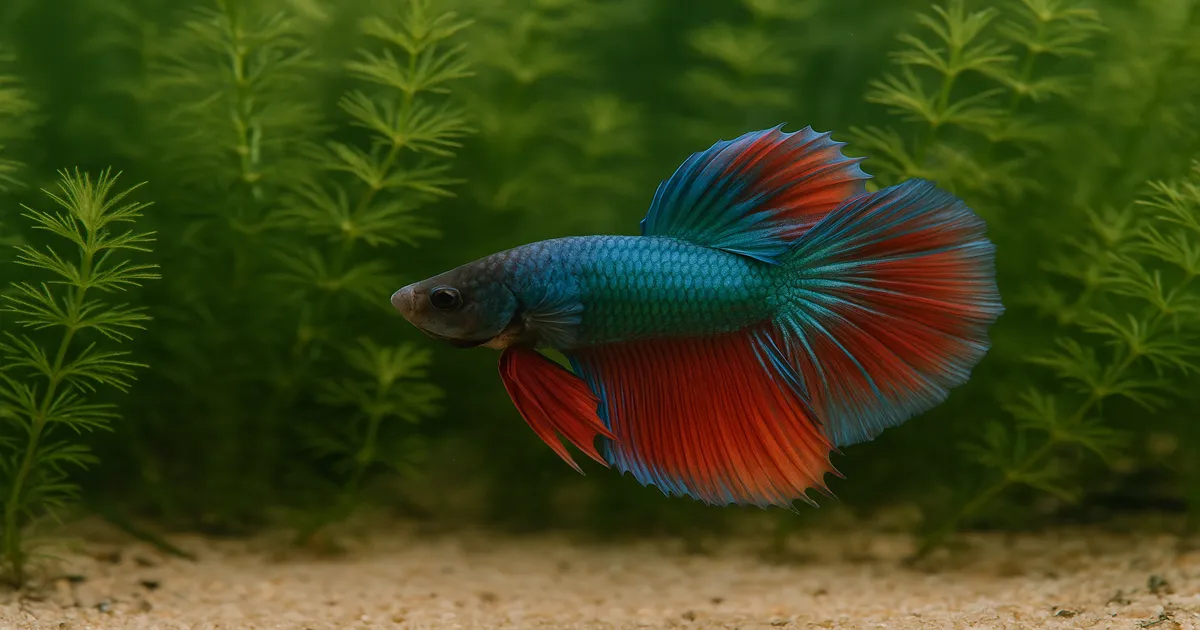
Quick Answer: Clamped fins — where a betta holds its fins tight against its body instead of fanning them out — are a universal distress signal. The most common causes are poor water quality (ammonia or nitrite spikes), incorrect temperature, disease, stress from tank mates, and digestive issues. Always test your water first before assuming disease is the culprit.
If you’re asking why your betta’s fins are clamped, you’re already paying closer attention than most fishkeepers. Clamped fins are one of the earliest warning signs a betta can give you, and catching it early makes a real difference. The good news: most causes are fixable once you know what to look for.
What Clamped Fins Actually Mean
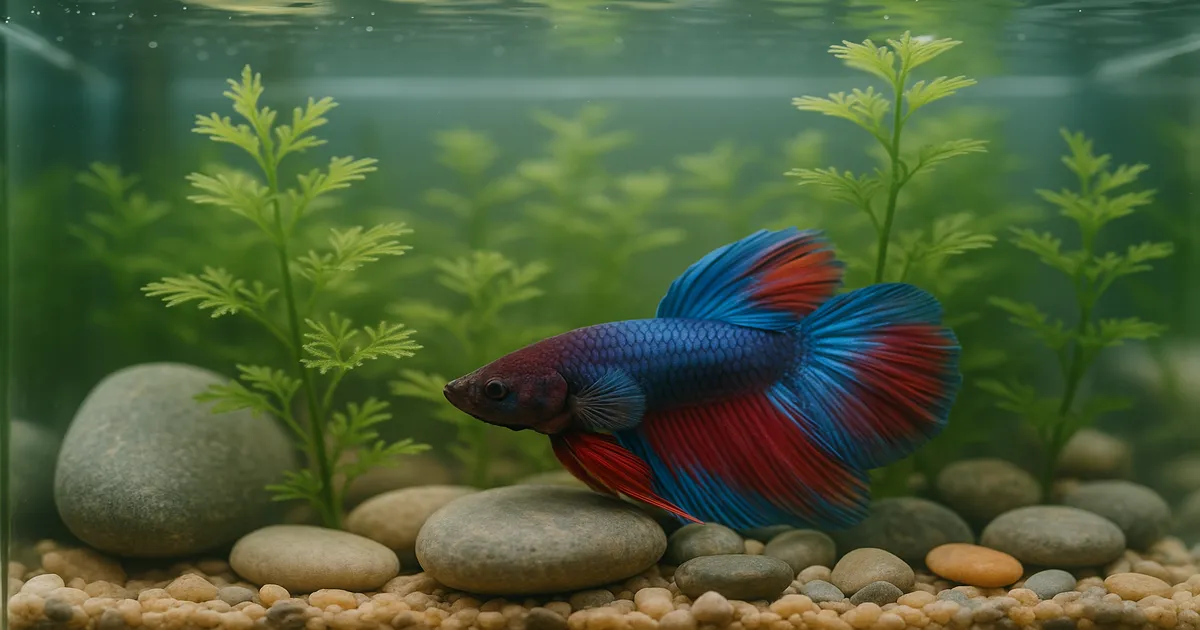
A healthy betta holds its fins open and relaxed — dorsal fin upright, pectoral fins gently fanning, tail flowing freely. Clamped fins are the opposite: pressed flat against the body, making the fish look smaller and dull. It’s not a disease itself but a symptom — the betta equivalent of a person hunching over in pain.
The Most Common Causes at a Glance
In rough order of how often they’re responsible:
- Poor water quality — ammonia, nitrite, or nitrate out of range
- Temperature problems — too cold, too hot, or fluctuating
- Disease — velvet, ich, fin rot, or bacterial infection
- Stress — aggressive tank mates, strong current, or a cramped environment
- Diet and digestion — constipation or bloating from overfeeding
Water testing should always be your first move. It takes two minutes and rules out the most common cause immediately.
Clamped Fins vs. Fin Damage: How to Tell the Difference
These two conditions can look similar at a glance but need different fixes. Clamped fins are a behavioral response — the fins are intact but held closed. Fin damage (tears, fraying, or the progressive tissue loss of fin rot) involves actual physical changes to the fin edges. Both can happen at the same time, so look closely before you treat.
Why Are My Betta’s Fins Clamped? Water Quality Is Usually the Answer
Ideal Water Parameters for Bettas
| Parameter | Ideal Range |
|---|---|
| pH | 6.5–7.5 |
| Temperature | 76–82°F (24–28°C) |
| Ammonia | 0 ppm |
| Nitrite | 0 ppm |
| Nitrate | under 20 ppm |
| GH | 5–15 dGH |
| KH | 4–6 dKH |
Ammonia and Nitrite Poisoning
Even 0.25 ppm of ammonia or nitrite is enough to cause clamped fins, lethargy, and gill damage. These compounds are invisible to the naked eye, which is exactly why testing matters. If your tank isn’t fully cycled — meaning beneficial bacteria haven’t established yet — ammonia can spike to dangerous levels within 24 hours of feeding.
If your test shows any detectable ammonia or nitrite, do a 25–50% water change immediately and dose a water conditioner to temporarily detoxify ammonia while your cycle stabilizes. Seachem Prime is the go-to choice for most betta keepers — it neutralizes chlorine, chloramine, and temporarily binds ammonia in a single dose.
Nitrate Buildup and pH Instability
Nitrate above 40 ppm causes chronic stress even when ammonia and nitrite are zero. Keep it under 20 ppm with regular partial water changes — typically 25% weekly for a stocked tank. Low carbonate hardness (KH below 3 dKH) is a sneaky problem: it means your tank has little buffering capacity, and pH can crash suddenly overnight, triggering immediate fin clamping.
Chlorine and Untreated Tap Water
Tap water contains chlorine or chloramine, both of which damage gill tissue and cause instant distress. Never add untreated tap water to a betta tank. A quality dechlorinator like Seachem Prime handles both and is inexpensive enough that there’s no reason to skip it.
How to Test Your Water Correctly
Use a liquid test kit rather than paper strips — strips are notoriously inaccurate, particularly for KH and GH. The API Freshwater Master Test Kit is the hobby standard: accurate, affordable, and covers the parameters that matter most.
When fins are clamped, test immediately. Don’t wait to see if the fish improves on its own. Check ammonia, nitrite, nitrate, and pH at minimum. If those all look fine, add GH and KH to your investigation.
Temperature: A Hidden but Common Trigger for Clamped Fins
Why Bettas Are Not Cold-Water Fish
This is one of the most common misconceptions in the hobby. Bettas are tropical fish that need consistently warm water — 76–82°F (24–28°C). Below 74°F (23°C), their immune system weakens and their fins clamp almost immediately. A betta in a cold room without a heater isn’t thriving — it’s barely surviving.
The Danger of Temperature Swings
It’s not just about average temperature. Swings of more than 2–3°F (1–2°C) within a single day are stressful even if the temperature stays within the acceptable range overall. Small tanks are especially prone to this because less water volume means faster temperature changes when the room cools down at night.
Heater Failures and How to Catch Them
Heaters fail in two directions — they stop heating, or they get stuck on and overheat the tank. Both cause clamped fins. The heater dial alone isn’t reliable enough to trust. Keep a separate thermometer in the tank and check it daily. A submersible digital thermometer makes this effortless and costs very little.
If you discover your betta is cold, raise the temperature no faster than 2°F per hour. Sudden warming is almost as stressful as the cold itself.
Tank Setup Problems That Cause Chronic Clamped Fins in Bettas
Tank Size
The minimum for a betta is 5 gallons — 10 gallons is genuinely better. Smaller tanks, especially the 1- and 2-gallon bowls still marketed as “betta tanks,” cause rapid ammonia spikes, wild temperature swings, and chronic stress from inadequate space. If your betta is in a tank under 5 gallons, tank size may be the root cause of everything else.
Filter Flow: Too Much Current
Bettas come from still, slow-moving water. A strong filter current forces them to constantly fight to stay in place — exhausting and stressful, and a direct cause of clamped fins. Aim for a turnover rate of no more than 3–5x the tank volume per hour, and baffle or redirect the output so it isn’t blasting across the surface.
Sponge filters are ideal for bettas: gentle, biologically effective, and easy to maintain. The Hikari Bacto-Surge is a popular choice that works well in tanks up to 10 gallons. If you’re using a hang-on-back filter, a pre-filter sponge on the intake and a simple baffle on the output will reduce flow significantly.
Decorations and the Pantyhose Test
Sharp plastic decorations tear fins, which leads to fin rot and clamping. Before adding any decoration, run a piece of nylon stocking over it — if it snags, it will damage fins. Smooth, rounded decorations, driftwood, and live plants are always safer choices.
Lighting and Circadian Rhythms
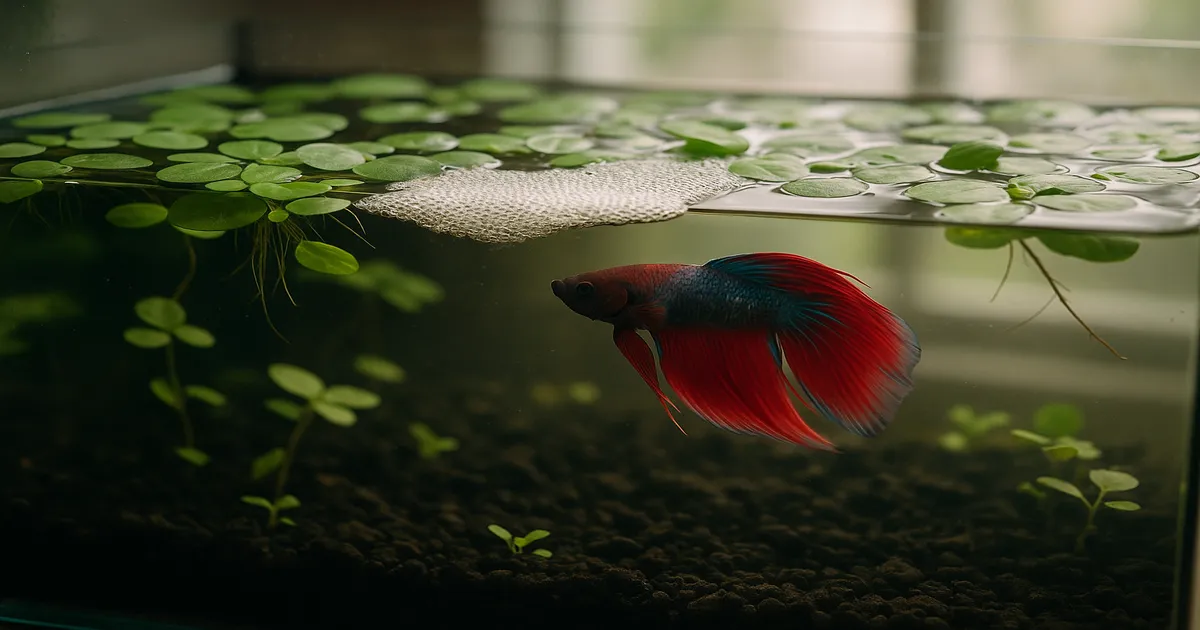
Bettas need a consistent light/dark cycle of around 8–10 hours of light per day. Constant bright light with no shade causes chronic stress. Tanks near windows can also cause reflection issues — bettas may repeatedly flare at their own reflection, which is exhausting over time. Floating plants like frogbit or water lettuce create shaded zones and break up reflections naturally.
Live Plants and Indian Almond Leaves
Live plants such as Anubias and Java Fern give bettas cover, reduce light stress, and help stabilize water quality. Indian Almond Leaves are particularly useful — they release tannins that mildly acidify the water, have mild antibacterial properties, and mimic the leaf-litter environment bettas evolved in. Many keepers notice a reduction in stress-related clamping after adding them.
Diseases That Cause Clamped Fins
Clamped fins are a symptom, not a diagnosis. Several diseases share it as an early sign, so look for additional clues that distinguish them.
Velvet (Oodinium)
Velvet is frequently missed because the early signs are subtle. Look for a gold or rust-colored dusty coating on the body — easiest to see by shining a flashlight at an angle in a dark room. Rapid gill movement and scratching against objects (flashing) are also common.
Treatment: Raise temperature to 82–84°F (28–29°C), dim the lights (the parasite is photosynthetic), and treat with a copper-based medication. Seachem Cupramine is effective and widely available. Quarantine is essential — velvet spreads rapidly.
Ich (White Spot Disease)
Ich presents as white spots resembling grains of salt scattered across the fins and body, combined with clamped fins and scratching. It’s very treatable if caught early.
Treatment: Gradually raise temperature to 82–86°F (28–30°C) to accelerate the parasite’s life cycle, and treat with Hikari Ich-X for at least 7–10 days after the last visible spot disappears.
Fin Rot
Fin rot starts at the fin edges — look for fraying, darkened margins, or tissue receding toward the body. It’s almost always caused or worsened by poor water quality. Mild cases often resolve with clean water and Indian Almond Leaves alone. Moderate to severe cases need antibiotics such as Seachem Kanaplex or Fritz Maracyn.
Columnaris and Bacterial Infections
Columnaris (Flavobacterium columnare) causes white or gray patches on the body and fins alongside clamped fins. It can progress quickly, especially in warmer water. Treatment is similar to fin rot — Kanaplex or Maracyn — but act fast.
Quick Disease Identification Chart
| Symptom | Likely Cause |
|---|---|
| Gold/rust dust, flashing | Velvet |
| White salt-grain spots | Ich |
| Fraying, receding fin edges | Fin rot |
| White/gray body patches | Columnaris |
| No visible spots or damage | Water quality or temperature first |
Regardless of which disease you suspect, improving water quality is always step one. Many diseases take hold precisely because water quality is already compromised.
Stress From Tank Mates
Fin-Nipping Species to Avoid
Even without visible wounds, the wrong tank mates cause real harm. Chronic stress suppresses the immune system and leads to persistent clamped fins. The worst offenders are active fin-nippers:
- Tiger Barbs
- Serpae Tetras
- Black Skirt Tetras
- Rosy Barbs
If any of these are in your tank, rehoming them may be the single most effective fix.
Compatible Tank Mates for Bettas
Good companions for most bettas include Pygmy Corydoras, Ember Tetras, Harlequin Rasboras, Nerite snails, and Amano shrimp. Male guppies and other brightly colored, long-finned fish can trigger near-constant aggression responses from bettas — even without fighting, that sustained alertness is exhausting. Two male bettas cannot be housed together under any circumstances.
Feeding and Digestive Issues
What Bettas Should Be Eating
Bettas are carnivores with a short digestive tract built for protein. Generic flake food is a poor staple. Feed a high-quality betta pellet — Northfin Betta Bits are a well-regarded option — supplemented with frozen bloodworms, brine shrimp, or daphnia a few times a week.
Overfeeding and Constipation
Overfeeding causes two problems at once: it degrades water quality as uneaten food decomposes, and it causes constipation and bloating in the fish itself. A bloated betta will clamp its fins and become lethargic — the distended belly is the giveaway. Feed only what your betta can eat in 2–3 minutes, once or twice a day, and skip one day per week.
If you suspect constipation, fast your betta for 2–3 days. Follow the fast with a feeding of live or frozen daphnia, which acts as a natural laxative. This is a safe, low-risk first step before reaching for any medication.
Food Refusal as a Diagnostic Clue
A betta with clamped fins that also refuses food is telling you something is seriously wrong. Healthy bettas are enthusiastic feeders. Food refusal combined with clamped fins points toward water quality issues, disease, or significant stress — not just a bad mood.
Frequently Asked Questions About Betta Clamped Fins
How do I know if my betta’s fins are clamped or just resting?
A resting betta may hold its fins slightly lower than usual, but they’ll still have some natural spread and the fish will be alert and responsive. Clamped fins are pressed noticeably flat against the body and usually come with other signs — hiding, reduced activity, or faded color. Watch the fish for a few minutes: a healthy betta will periodically fan its fins open on its own.
Can clamped fins heal on their own?
Yes, if you address the underlying cause quickly. Clamped fins caused by a water quality issue or temperature problem typically resolve within 24–48 hours of correction. If the cause is disease or chronic stress that goes untreated, the betta’s condition will continue to worsen.
How quickly should fins improve after a water change?
If poor water quality was the cause, you should see improvement within a few hours to a day after a 25–50% water change with dechlorinated water. If fins are still clamped 24–48 hours after correcting water parameters, look more closely for disease, temperature issues, or environmental stressors.
Is clamped fins always a sign of disease?
No — and this is an important distinction. Clamped fins are a general stress response. Water quality problems, temperature swings, strong current, and incompatible tank mates are all common non-disease causes. Test your water and check your temperature before assuming illness and reaching for medication.
What is the first thing I should do when my betta has clamped fins?
Test your water immediately — ammonia, nitrite, nitrate, and pH at minimum. If any parameter is off, do a 25–50% water change with dechlorinated water right away. If water parameters look fine, check your thermometer to confirm temperature is in the 76–82°F range, then look for signs of disease or environmental stress.