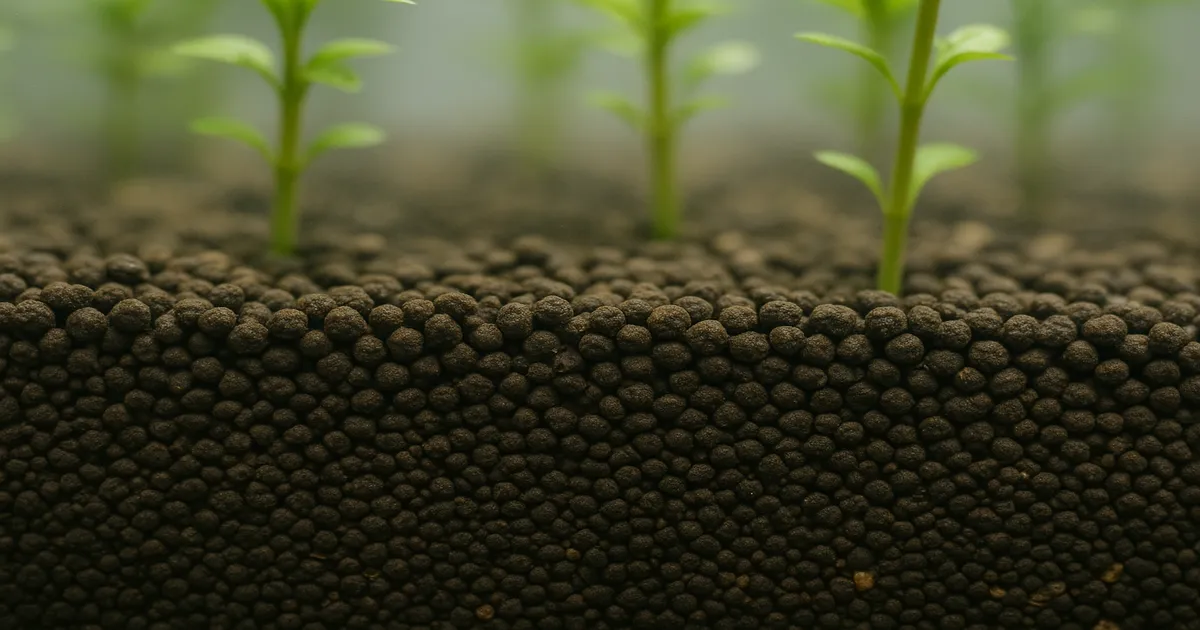
Quick Answer: Your aquarium substrate is a living ecosystem, and changes like black patches, rising bubbles, white coatings, or foul smells are your tank’s way of signaling a problem beneath the surface. Most issues trace back to anaerobic decomposition, exhausted buffering capacity, or detritus buildup — and nearly all of them are fixable once you know what you’re looking at. Read on to identify exactly what’s happening and how to correct it.
What Is Happening to My Substrate? Warning Signs at a Glance
| Symptom | Likely Cause | Urgency |
|---|---|---|
| Black patches | Hydrogen sulfide (H₂S) from anaerobic zones | High |
| Bubbles rising from substrate | Gas pockets (CO₂, methane, H₂S) | Moderate–High |
| White or grey slimy mat | Cyanobacteria or fungal growth | Moderate |
| Cloudy water near substrate | Bacterial bloom or disturbed particles | Low |
| Foul smell when disturbed | Anaerobic decomposition | High |
| Sudden pH crash | Exhausted aquasoil buffering or depleted KH | High |
| Plants struggling to root | Substrate compaction | Low–Moderate |
Not every substrate change is a crisis. New tanks commonly go through diatom blooms (a brown, dusty coating) and brief bacterial blooms — both are temporary and self-resolving. Black patches and foul-smelling gas, however, demand immediate attention because hydrogen sulfide is acutely toxic to fish. When in doubt, test first: ammonia, nitrite, pH, and KH will tell you quickly whether your fish are in danger.
What Aquarium Substrate Actually Does
Substrate does far more than make your tank look natural. It acts simultaneously as a biological filter, a plant anchor, a nutrient reservoir, and a behavioral habitat for bottom-dwelling species. Disturb it carelessly and you can crash your water quality within hours.
In natural rivers and lakes, the benthic zone — the bottom layer — teems with bacteria and microbial activity that drives nutrient cycling. Your aquarium substrate mirrors this exactly. Beneficial bacteria (Nitrosomonas and Nitrobacter species) colonize substrate particles just as they do filter media, processing a meaningful share of your tank’s total ammonia load. A healthy substrate isn’t just gravel — it’s a biological filter you walk past every day without thinking about it.
Common Substrate Types and What Each One Does
| Type | Best For | Chemistry Effect |
|---|---|---|
| Inert gravel | Community tanks, beginners | None |
| Fine sand | Corydoras, loaches, stingrays | None (inert) |
| Aquasoil (e.g., ADA Amazonia, Fluval Stratum) | Planted tanks | Lowers pH to 6.0–6.8, softens water |
| Crushed coral / aragonite | African cichlids, marine tanks | Raises pH to 7.8–8.5, raises KH and GH |
| Pool filter sand | Budget planted/community tanks | None |
| Bare bottom | Hospital and breeding tanks | None; easy to clean |
How Substrate Affects Your Water Parameters
pH, GH, and KH
Substrate is one of the most underestimated drivers of water chemistry. Aquasoils actively buffer water toward slightly acidic conditions (pH 6.0–6.8), making them ideal for discus, apistogramma, and cardinal tetras. Crushed coral and aragonite push in the opposite direction, buffering toward alkaline water (pH 7.8–8.5) that African cichlids and livebearers thrive in. Crushed coral can drive GH to 12–20 dGH and KH to 8–15 dKH. Inert substrates like plain gravel and pool filter sand have negligible effect on chemistry.
Aquasoils soften water toward 1–6 dGH and can drop KH close to zero. That’s fine for soft-water species, but it means pH has almost no buffer against swings. KH below 3 dKH is a leading cause of sudden, catastrophic pH crashes — the kind that kill fish overnight.
The Nitrogen Cycle and Deep Anaerobic Layers
A mature substrate bed processes ammonia and nitrite through its resident bacterial colonies. Both should read 0 ppm in a cycled tank. Nitrate is more nuanced: deep anaerobic zones can denitrify nitrate, converting it to harmless nitrogen gas — useful when managed, but dangerous if gas pockets rupture suddenly and release toxic compounds into the water column.
Below roughly 1 inch of substrate, oxygen levels drop sharply. In these anaerobic zones, sulfur-reducing bacteria produce hydrogen sulfide (H₂S) — the source of that rotten-egg smell when you stir the gravel. Small, stable anaerobic zones are a normal part of a mature tank. Large, unmanaged ones are a ticking clock.
Setting Up Substrate Correctly
Depth Guidelines by Substrate Type
Getting depth right from day one prevents most problems:
- Inert gravel: 1–2 inches (2.5–5 cm) — enough for bacterial colonization without creating dangerous dead zones
- Fine sand (community tank): 1–2 inches (2.5–5 cm)
- Fine sand (deep sand bed / denitrification): 3–4 inches (7.5–10 cm)
- Aquasoil (planted tank): 3–4 inches (7.5–10 cm) total, often a nutrient base layer capped with finer material
- Crushed coral: 1–2 inches (2.5–5 cm) for meaningful buffering
Filtration, Flow, and Placement
Undergravel filters draw water directly through the substrate bed, turning the entire base into a biological filter. They’re effective but require regular maintenance to prevent clogging. Canister and sponge filters work independently of substrate, letting it function as a quieter secondary biological zone. Avoid pointing any high-flow output directly at the substrate surface — it disrupts bacterial colonies, clouds the water, and stresses bottom-dwelling fish.
Strong planted-tank lighting (PAR 50–100+ at substrate level) encourages dense root growth, which physically stabilizes substrate and prevents gas pocket formation. When plants recede due to insufficient light or nutrient depletion, roots pull back, substrate loosens, and detritus accumulates faster.
Place large rocks directly on the bare tank glass before adding substrate. This prevents them from toppling if burrowing fish undermine the base, and it eliminates the sheltered dead spots where detritus collects and oxygen can’t penetrate.
Matching Substrate to Your Fish and Plants
Bottom-Dwelling Fish
Corydoras catfish have sensitive barbels that sharp or coarse substrate will damage — fine sand or smooth, rounded gravel is non-negotiable. Kuhli loaches need at least 2 inches (5 cm) of fine substrate to exhibit natural burrowing behavior. Freshwater stingrays (Potamotrygon spp.) require 3–4 inches (7.5–10 cm) of deep, fine sand; coarse material causes abrasion injuries to their undersides.
Cichlids are natural landscapers. Oscars and convicts will rearrange your entire substrate layout — this is normal behavior, not a problem. Geophagus earth-eaters go further, actively sifting fine sand through their gills as a feeding strategy. Coarse gravel prevents this entirely and should be avoided.
Species and Substrate Compatibility
| Species | Avoid This Substrate | Reason |
|---|---|---|
| Goldfish | Fine sand | Risk of ingestion and impaction |
| Corydoras | Sharp gravel | Barbel damage and infection |
| Kuhli loaches | Coarse gravel | Cannot burrow; injury risk |
| Delicate root plants | Plain inert gravel | No nutrients; roots will starve |
Discus, apistogramma, and most South American species thrive in the soft, slightly acidic water (pH 6.0–7.0, GH 1–8 dGH) that aquasoil naturally produces. In these setups the substrate isn’t just supporting plants — it’s actively maintaining the water parameters the fish require.
What Is Happening to My Substrate? Diagnosing and Fixing 7 Common Problems
1. Substrate Turning Black: Hydrogen Sulfide and Anaerobic Zones
Symptom: Dark grey or black patches, often starting in corners or under decorations. Cause: H₂S production by sulfur-reducing bacteria in oxygen-depleted zones. Danger level: High.
Disturbing these pockets carelessly can release a concentrated toxic cloud into the water column. Instead:
- Insert a thin airline tube or chopstick slowly into the black area to release gas in small amounts — don’t stir aggressively.
- Perform a 30–50% water change immediately.
- Add Malaysian trumpet snails (Melanoides tuberculata) — they burrow continuously and aerate substrate biologically.
- Reduce substrate depth if it exceeds 2 inches in non-planted areas.
- Increase vacuuming frequency and reduce feeding to cut off the organic matter fueling the problem.
2. Bubbles Rising from Substrate: Gas Pockets
Symptom: Small bubbles rising when the substrate is disturbed, or spontaneously. Cause: Anaerobic decomposition producing CO₂, methane, or H₂S in trapped pockets. Danger level: Moderate to high depending on gas volume and type.
Use the same slow-release technique with airline tubing, followed by a significant water change. Then investigate the root cause — overfeeding and insufficient flow are the usual culprits.
3. White or Slimy Coating: Bacteria, Fungus, or Cyanobacteria?
Look closely, because the cause varies:
- Bacterial bloom (milky cloudiness): Common in new tanks or after major disturbances. Harmless; resolves in 1–2 weeks with adequate filtration.
- Fungal growth (white fluffy patches, often on driftwood): Remove affected material and increase flow.
- Cyanobacteria (blue-green or grey-green slimy mat): Reduce nitrate below 10 ppm and phosphate below 0.5 ppm, increase surface agitation, manually remove as much as possible, then run a 3-day blackout.
Cyanobacteria is the one to take seriously — it spreads fast and can suffocate both plants and the substrate bacterial colonies beneath it.
4. Substrate Compaction: Why Your Plants Are Struggling
Over time, fine substrates — especially aquasoil — compact into a dense layer that blocks oxygen from reaching plant roots. Plants start melting from the roots up, and new growth stalls despite adequate lighting and fertilization.
- Gently probe around plant roots with a thin skewer or chopstick to reintroduce air pockets.
- Add Malaysian trumpet snails — their constant burrowing keeps substrate loose naturally.
- During your next rescape, consider mixing aquasoil with a coarser material to improve long-term porosity.
5. Sudden pH Crash: Exhausted Buffering Capacity
Symptom: Fish gasping at the surface, lethargy, sudden deaths. pH test shows a dramatic drop. Cause: Aquasoil’s buffering capacity is finite — typically lasting 12–18 months before it weakens. Combined with KH below 3 dKH, even small acid inputs can crash pH rapidly. Danger level: High.
- Test KH immediately. If it’s below 3 dKH, dissolve 1 teaspoon of baking soda (sodium bicarbonate) per 50 gallons in a cup of tank water, then add it slowly. This raises KH by approximately 1 dKH.
- Perform a 30–50% water change with dechlorinated water.
- Retest pH and KH after 24 hours.
- Long-term: plan a substrate replacement if your aquasoil is 2–3 years old.
6. Algae On or In Substrate
-
Diatoms (brown dusty coating): Extremely common in tanks under 8 weeks old. They feed on silicates leaching from new substrate. They self-resolve within 4–8 weeks as silicates deplete. Nerite snails speed up the cleanup considerably.
-
Green algae on substrate: Reduce your photoperiod to 6–8 hours and keep nitrate below 10 ppm. Increase plant mass to outcompete algae for nutrients.
-
Cyanobacteria: See section 3 above — the blackout protocol applies here too.
7. Substrate Disintegrating: End-of-Life Aquasoil
Symptom: Aquasoil crumbling into fine dust; water permanently cloudy despite water changes; plant growth declining despite fertilization. Cause: Aquasoil has a lifespan of roughly 2–4 years depending on brand and maintenance history.
Run fine filter floss or polishing pads in your filter to clear the fine particles short-term. Plan a full rescape with fresh substrate — there’s no practical way to restore spent aquasoil in place.
Frequently Asked Questions About Aquarium Substrate Problems
Why is my aquarium substrate turning black?
Black patches are caused by hydrogen sulfide (H₂S) produced by anaerobic bacteria in oxygen-depleted zones. It’s most common in deep substrate, under heavy decorations, or in areas with poor flow. H₂S is toxic to fish, so don’t stir the area aggressively — release gas slowly with airline tubing, do a large water change, and address the root cause (usually overfeeding or excessive substrate depth).
How often should I vacuum my aquarium substrate?
For gravel tanks, vacuum weekly during your regular water change — food and waste trap easily between stones. Fine sand tanks need lighter maintenance: a gentle pass over the surface every 1–2 weeks is usually enough, since waste tends to sit on top rather than sink in. Heavily planted tanks with a healthy snail population can often go 2–4 weeks between vacuuming, as root systems and snails manage detritus naturally.
Can I mix different substrate types in the same tank?
Yes, and it’s often beneficial. A common approach is to use a nutrient-rich base layer (such as aquasoil) topped with fine sand or a finer-grade aquasoil cap. This gives plant roots access to nutrients while keeping the surface smooth for bottom-dwelling fish. Avoid mixing crushed coral with aquasoil — the coral will neutralize the acidic buffering the aquasoil provides, defeating the purpose of both.
How do I know when my aquasoil needs replacing?
Watch for three signs: substrate crumbling into fine dust, chronically cloudy water that doesn’t clear between water changes, and declining plant growth despite regular fertilization. Most aquasoils last 2–4 years. If your tank is approaching that age and you’re seeing all three symptoms, a full rescape with fresh substrate is the most reliable fix.
Is bare-bottom better than substrate for some tanks?
For hospital tanks and breeding setups, yes. Bare bottom is easier to clean, allows accurate medication dosing (substrate can absorb or neutralize some treatments), and makes it simple to monitor a sick or spawning fish. Egg scatterers like tetras and danios will eat their own eggs — a bare-bottom tank with a layer of marbles or fine mesh lets eggs fall out of reach of the parents. For display tanks with plants or bottom-dwelling fish, substrate is almost always the better choice.