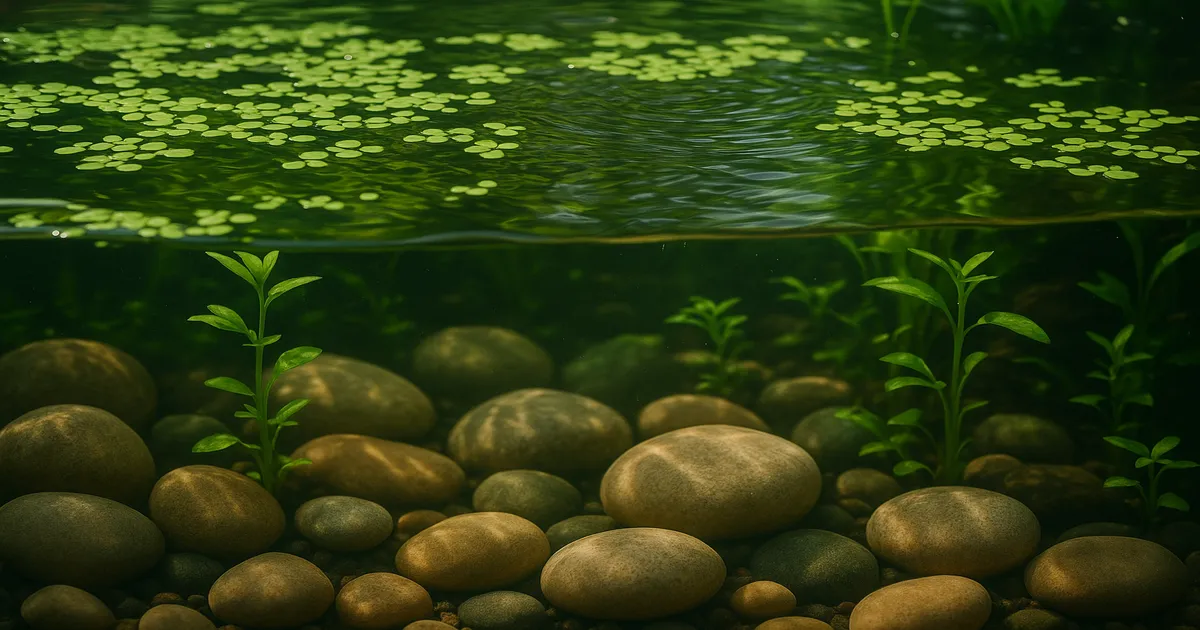
Quick Answer: Should you try duckweed? For most freshwater hobbyists, yes — it’s a low-maintenance floating plant that purifies water, shelters fry, and thrives under basic lighting with zero CO₂ injection. It spreads fast, so plan to skim it weekly. Best for betta tanks, shrimp tanks, breeding setups, and low-tech community tanks.
If you’ve ever asked should I try duckweed?, the honest answer for most freshwater hobbyists is a confident yes — with a few caveats worth knowing upfront. This tiny floating plant punches well above its weight as a natural water purifier, a stress-reducer for surface-dwelling fish, and even a live food source. “Low maintenance” doesn’t mean “no maintenance,” though, and in the wrong tank it can become a genuine nuisance.
Should You Try Duckweed? Start Here
Who Should Add It
Duckweed is a natural fit if your tank checks any of these boxes:
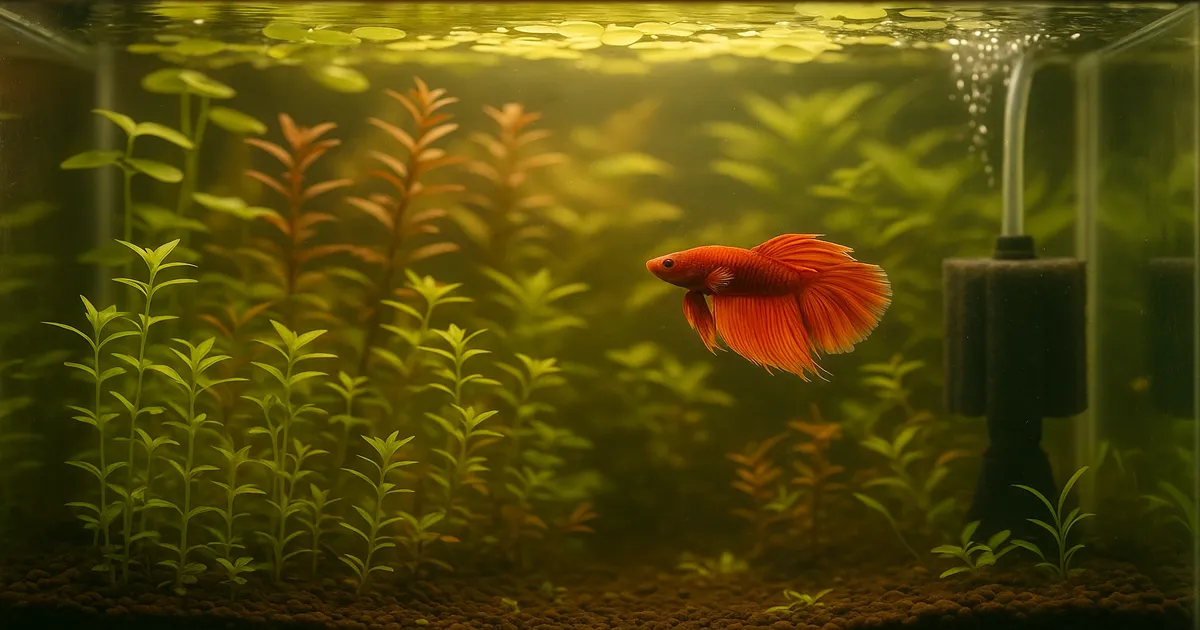
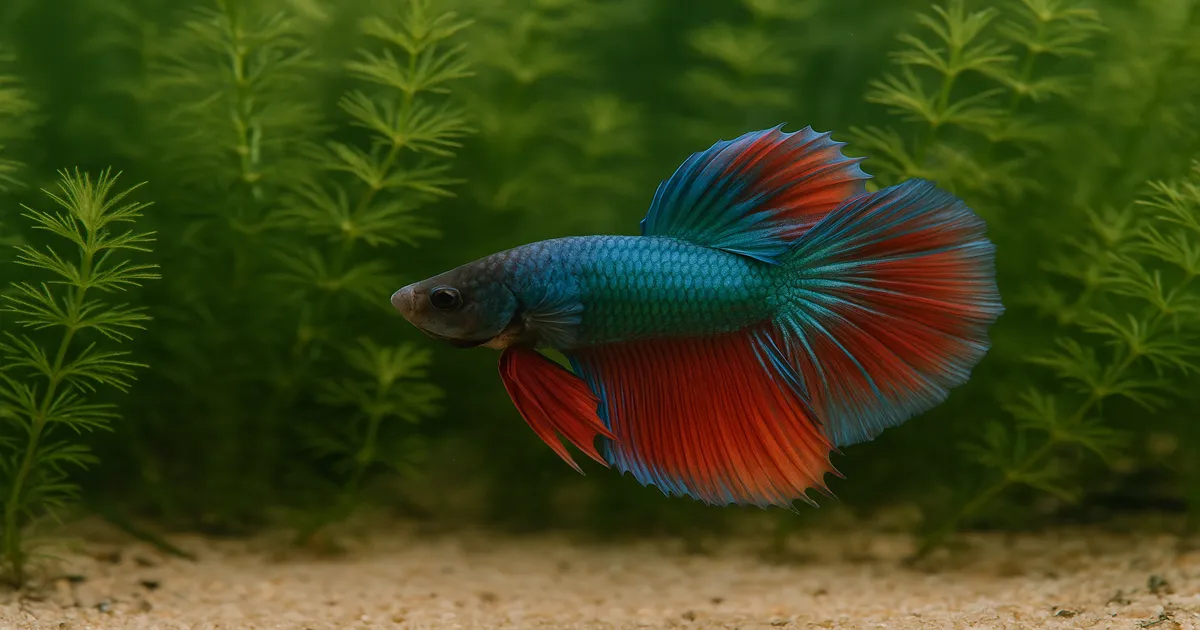
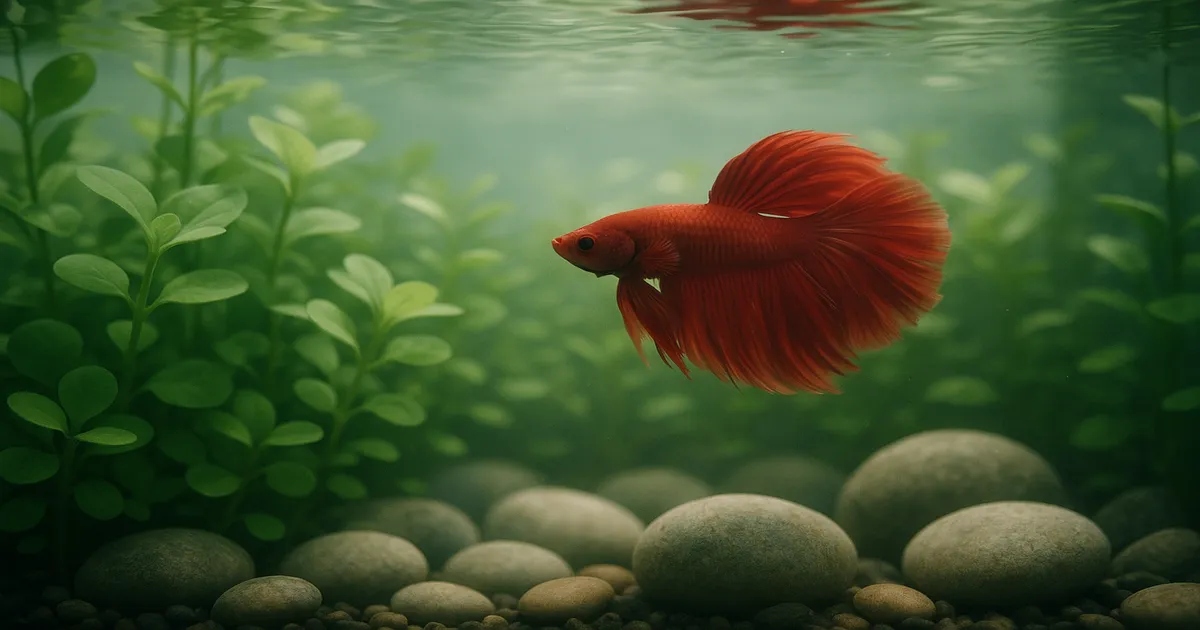
- Betta tanks — bettas love the shaded, still-water surface it creates
- Breeding and fry tanks — roots host infusoria and provide excellent fry cover
- Shrimp tanks — dwarf shrimp graze the biofilm on duckweed roots
- Low-tech community tanks — thrives under basic LED lighting with no CO₂
- Outdoor tubs and ponds — as a food crop for goldfish or koi, it’s hard to beat
- Beginner setups — forgiving, cheap (often free), and nearly impossible to kill
Who Should Skip It
- High-tech planted tanks — aggressive spreading and shading can undermine a carefully managed layout
- Goldfish and koi display tanks — they’ll eat it to the roots within days unless you’re intentionally using it as food
- High-flow tanks — strong currents break up mats and push fronds into filter intakes
What Is Duckweed?
Duckweed belongs to the family Araceae and ranks among the smallest flowering plants on Earth. The fronds floating on the surface are the entire plant — leaf, stem, and reproductive structure all in one.
Common Species for Aquariums
- Lemna minor — Common duckweed; tiny oval fronds (1–5 mm); the default species sold by most aquarium stores
- Lemna gibba — Slightly larger, with a spongy, buoyant underside
- Spirodela polyrhiza — “Giant” duckweed at 5–10 mm; multiple roots per frond and a reddish underside
- Landoltia punctata — Dotted duckweed; often sold interchangeably with Lemna species
- Wolffia spp. — Watermeal; under 1.5 mm and significantly harder to manage — not recommended for most aquariums
Natural Habitat
Duckweed grows on every continent except Antarctica, colonizing still or slow-moving freshwater — ponds, ditches, rice paddies, and river backwaters. It thrives in nutrient-rich water and forms dense surface mats that shade competing plants below. In nature it’s a foundational food source for waterfowl, fish, and invertebrates.
How It Reproduces
Duckweed reproduces almost entirely by vegetative budding — one frond splits into two. Under ideal conditions, that doubling happens in as little as 16–48 hours. Sexual reproduction is rare in captivity. A small handful can cover an entire tank surface within a week or two, which is why management matters from day one.
Water Parameters for Duckweed
Duckweed is impressively adaptable, but it has a sweet spot where it truly thrives:
| Parameter | Ideal Range | Tolerable Range |
|---|---|---|
| pH | 6.5–7.5 | 5.0–9.0 |
| Temperature | 70–79°F (21–26°C) | 50–86°F (10–30°C) |
| GH | 4–12 dGH | 2–20 dGH |
| KH | 3–8 dKH | 1–12 dKH |
A few things to note: below 50°F (10°C), duckweed forms dormant turions and sinks to the substrate until conditions improve. Above 86°F (30°C), fronds bleach and growth stalls — the original “tolerable” upper limit of 95°F overstates its heat tolerance in practice. Keep a reliable aquarium thermometer on hand if your room temperature fluctuates.
Duckweed as a Natural Filter
This is duckweed’s headline feature. It absorbs ammonium and nitrate directly through its rootlets, and a dense mat can cut nitrates by 50% or more between water changes in a well-stocked tank. It won’t replace your filter, but it meaningfully reduces the chemical load in the water column — which is why it’s a staple in breeding setups and low-tech tanks where stability matters most.
CO₂, Lighting, and pH Swings
Unlike submerged plants, duckweed pulls CO₂ directly from the air at the water’s surface — a real advantage in low-tech tanks. That said, a thick mat in a heavily planted tank with intense lighting can drive daytime pH up by 0.5–1.0 units through rapid photosynthesis. Monitor pH if you keep sensitive fish, and remember that very strong light can bleach thin mats. More light isn’t always better.
How to Grow Duckweed Successfully
Tank Size and Refugium Options
There’s no minimum tank size — duckweed grows happily in a 1-gallon tub or a 5-gallon bucket refugium. For a display tank, 10 gallons or larger is practical; smaller tanks get overwhelmed by the mat faster than you can thin it. A dedicated refugium compartment in a sump is an excellent option: you get the water-quality benefits without duckweed cluttering your main display.
Lighting
Standard aquarium LEDs or fluorescent tubes are more than sufficient. Aim for 10–50 µmol PAR and a photoperiod of 10–12 hours per day. High-intensity planted-tank lighting can photo-bleach fronds if the mat is thin. A windowsill with indirect natural light works fine for a bucket culture. If you want a reliable mid-range option for a display tank, a full-spectrum LED gives you easy dimming control. (Fluval Plant 3.0)
Managing Flow
Calm water is non-negotiable. Strong HOB filter returns, powerheads, and wavemakers break up mats and push fronds into intakes. Angle your filter return downward to reduce surface churn, or add a baffle to your HOB outlet. Low surface agitation has a secondary benefit: it reduces CO₂ off-gassing, which helps duckweed and any other plants in the tank.
Floating Barriers
A floating barrier is the single most useful tool for managing duckweed in a display tank. Form a ring from airline tubing — connect the ends with a short piece of rigid tubing — and float it on the surface to create a designated duckweed zone. Acrylic strips cut to tank width work equally well. This keeps fronds away from filter intakes and preserves a clear surface zone so light reaches submerged plants.
Protecting Your Filter
Fit a sponge pre-filter over any intake to stop fronds from being sucked in and clogging your impeller. Any filter type — HOB, canister, sponge — is compatible as long as surface agitation is managed.
Duckweed Compatibility
Best Tank Mates
- Betta fish — the still, shaded surface is a near-perfect habitat match
- Guppies and Endlers — fry hide in the root mass and survive in far greater numbers
- Killifish and medaka — natural surface dwellers; ideal pairings
- White Cloud Mountain Minnows — tolerate the cooler end of duckweed’s range
- Corydoras and Otocinclus — bottom-dwellers; completely unaffected
- Dwarf shrimp (Neocaridina, Caridina) — graze biofilm off the roots; excellent synergy
- Nerite, mystery, and ramshorn snails — generally ignore duckweed entirely
- Axolotls — duckweed is a popular water-quality tool in axolotl setups
Fish That Will Destroy It
Goldfish and koi are the biggest offenders — they’ll strip a tank bare in days. Silver Dollars, Buenos Aires Tetras, and most herbivorous cichlids will also make short work of it. Large cichlids and Oscars may not eat it but create enough surface turbulence to shred the mat. Mollies will graze it in moderate numbers. If you keep any of these species, only add duckweed as an intentional food supplement, not as a permanent fixture.
Mixing With Other Plants
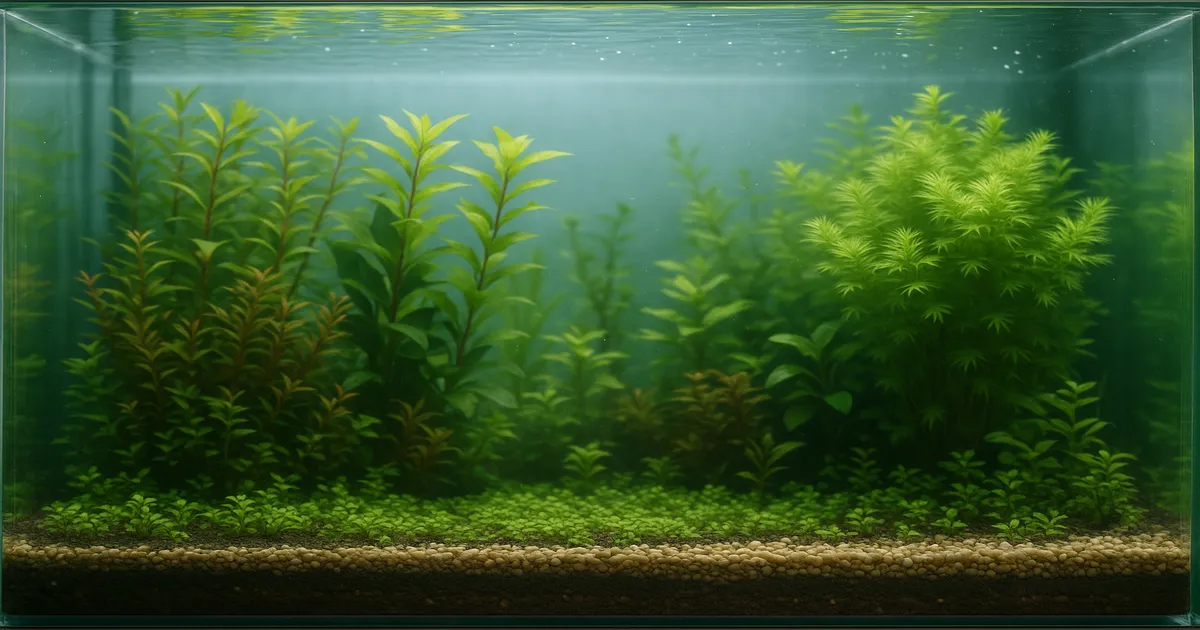
Keep duckweed coverage at or below 50% of the surface and low-light plants like Anubias, Java fern, and Vallisneria will coexist fine. Stem plants and carpeting plants need more light and require tighter management. If you’re mixing floating plants, note that Salvinia is more robust and will often outcompete duckweed for surface space — pick one as your primary floater.
Feeding and Nutrition
How Duckweed Feeds Itself
In a typical fish tank, duckweed feeds itself. Fish waste, uneaten food, and decomposing organic matter supply all the nitrogen, phosphorus, and trace elements it needs. Supplemental fertilizer is rarely necessary. In a very low-bioload tank or a standalone bucket culture, a small dose of diluted liquid fertilizer keeps growth steady. (Seachem Flourish)
As a Live Food
Duckweed’s nutritional profile is genuinely impressive: 25–45% crude protein by dry weight, omega-3 fatty acids, and vitamins A, B, C, and E — comparable to soybeans. Goldfish, koi, tilapia, and many herbivorous tropical fish eat it enthusiastically. Rinse it before feeding to dislodge hitchhikers, and offer it two or three times per week as a supplement rather than a sole diet.
As First Food for Fry
The root mass is a living nursery. Infusoria and microorganisms colonize duckweed roots naturally, giving newly hatched fry ready-made first foods without any extra effort. This is one of the strongest arguments for duckweed in breeding tanks — it genuinely improves fry survival rates.
Yellowing Fronds
If fronds start yellowing, iron deficiency is the most likely culprit. A dose of chelated iron supplement usually resolves it within a few days. One important warning: never use copper-based medications in a tank with duckweed. Copper is toxic to duckweed even at low concentrations — and equally harmful to shrimp.
Common Problems and Fixes
Yellowing fronds (chlorosis): Pale or white fronds point to iron deficiency or photo-bleaching from excessive light. Add chelated iron and reduce your photoperiod by an hour or two. Check pH as well — values below 5.5 or above 8.5 cause yellowing even with adequate nutrients.
Browning and die-off: Brown, mushy fronds that sink signal something more serious — temperature extremes, copper exposure, herbicide contamination, or a sudden salinity increase. Duckweed is a strict freshwater plant; even low salt concentrations cause rapid die-off. Identify the cause, do a series of water changes, and reintroduce healthy duckweed from a backup culture.
Algae on fronds: Excess nutrients combined with strong light cause algae to coat frond surfaces. Reduce your photoperiod, remove the worst-affected fronds manually, and let ramshorn snails or shrimp clean up the rest.
Pest hitchhikers: This is the most underappreciated risk. Duckweed mats can carry hydra (dangerous to fry and small shrimp), snail eggs, and other unwanted passengers. Always quarantine new duckweed in a separate container for a week, or rinse it thoroughly in dechlorinated water before adding it to a display tank.
Duckweed taking over: Prevention is far easier than removal. Skim excess fronds weekly with a fine mesh net, use floating barriers to contain it, and keep a backup culture in a bucket so you can harvest freely without guilt. Once duckweed is established in a tank with plants, substrate, and equipment, fully eradicating it is genuinely difficult — tiny fronds hide everywhere. Manage it from day one.
Frequently Asked Questions About Duckweed
Should I try duckweed if I’m a beginner?
Yes — it’s one of the most beginner-friendly plants in the hobby. Duckweed is cheap (often free from other hobbyists), grows without CO₂ or special fertilizers, and actively improves water quality. The only habit to build early is weekly skimming so it doesn’t take over.
Does duckweed really reduce nitrates?
Yes, and significantly. A dense mat can reduce nitrates by 50% or more between water changes by absorbing nitrogen directly through its rootlets. It won’t replace your filter or eliminate water changes, but it’s one of the most effective natural methods for keeping nitrates in check.
Can I keep duckweed with a betta fish?
Duckweed and bettas are one of the hobby’s best pairings. Bettas prefer warm, still water — exactly what duckweed needs — and the surface cover mimics their natural habitat, reducing stress. Just make sure duckweed doesn’t cover the entire surface, since bettas are labyrinth fish that need direct access to air.
How do I stop duckweed from taking over my tank?
Skim excess fronds weekly with a net, use a floating airline-tubing ring to contain duckweed to a designated zone, and fit a sponge pre-filter over your filter intake. Keeping a backup culture in a separate bucket means you’ll feel comfortable removing as much as you need each week.
How do I get rid of duckweed completely if I change my mind?
It’s genuinely difficult once established. Skim daily for several weeks, do thorough water changes, rinse all decorations, and vacuum the substrate — fronds hide in every crevice. Realistically, a full tank breakdown may be the only way to achieve a clean slate, which is why containment from the start matters so much.